
Runway
How to Read a Runway Collection: What Look 1 Through Look 40 Is Actually Telling You
The order of a show is not accidental. It is an argument, delivered one garment at a time.
Runway covers the New York shows in detail: silhouette, fabric, casting, staging and running order, followed by an assessment of what buyers are likely to take. Off-calendar presentations are included. Intended for readers who want criticism rather than a gallery of photographs shot from the pit.
The order of a show is not accidental. It is an argument, delivered one garment at a time.

The CFDA runs the official New York Fashion Week schedule, but it doesn't own a single stage — which is how one Tribeca studio complex ended up hosting a critical mass of September.
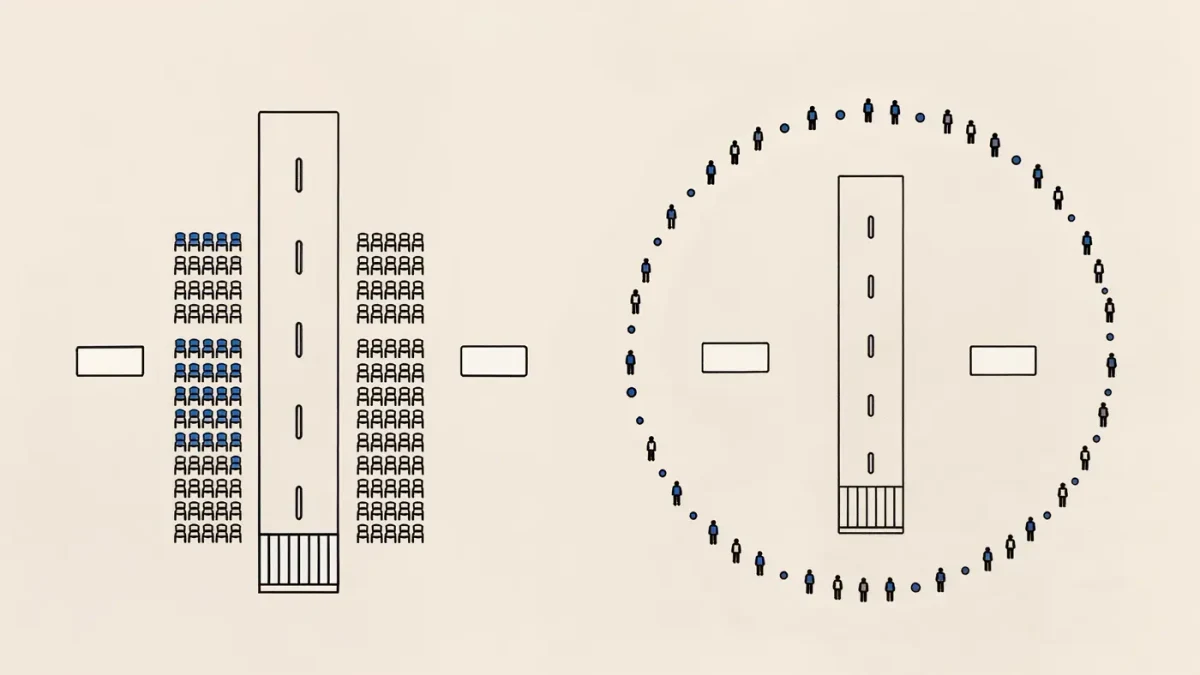
More brands are ditching chairs for standing-room crowds, open channels, and livestreams — a layout choice that doubles as an argument about who fashion is for.

When a catwalk costs more than the collection, emerging New York designers improvise — dinners, appointments, films, and dinners disguised as appointments.
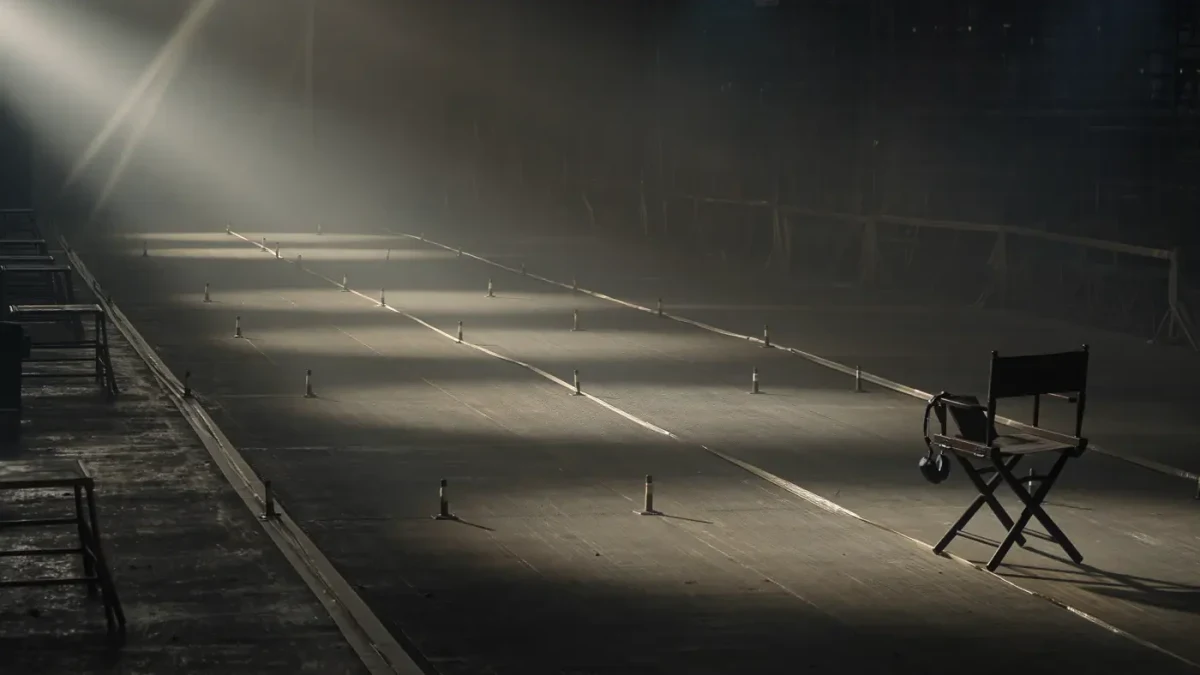
Every runway show is a choreographed machine — running order, gap timing, quick changes, and cue sheets that leave nothing to chance once the first model steps out.

The show is the trailer; the appointment in the showroom days later is the movie where the money actually changes hands. Inside the buying process.