Runway
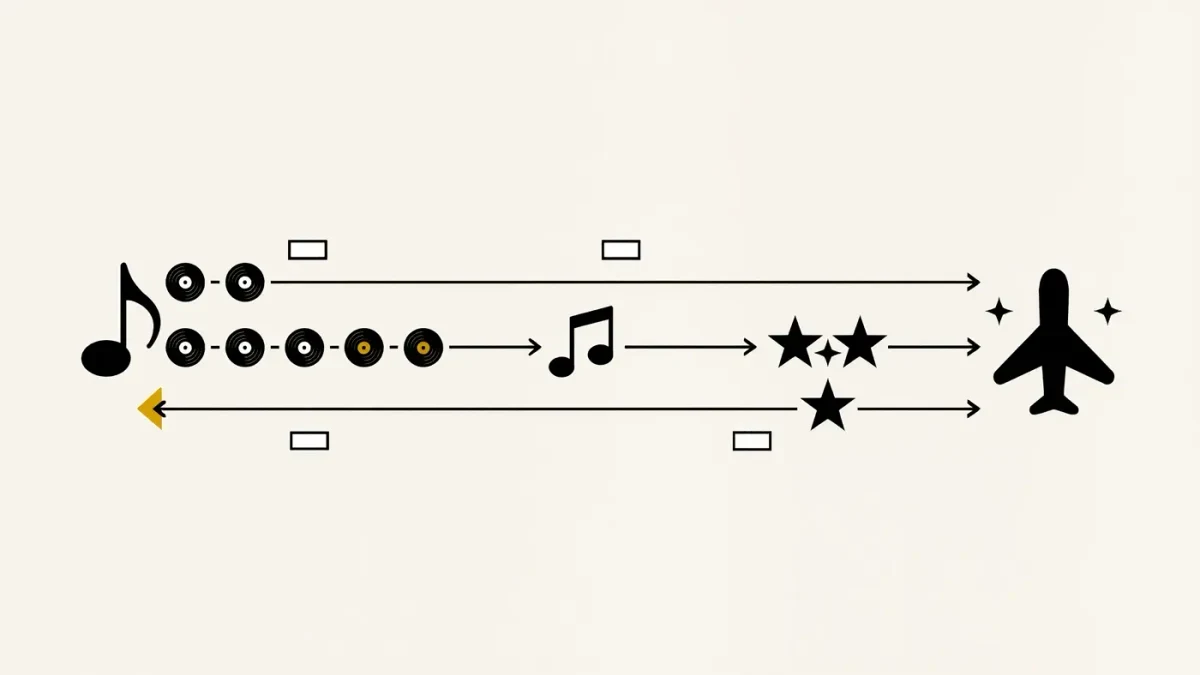
Who Makes a Runway Show's Soundtrack, and on What Rights?
The twelve minutes of music you hear at a show are a negotiated product — composed, licensed, or borrowed — with a small economy behind every beat.
Runway covers the New York shows in detail: silhouette, fabric, casting, staging and running order, followed by an assessment of what buyers are likely to take. Off-calendar presentations are included. Intended for readers who want criticism rather than a gallery of photographs shot from the pit.
The twelve minutes of music you hear at a show are a negotiated product — composed, licensed, or borrowed — with a small economy behind every beat.

Casting a show is a multi-week funnel from hundreds of submissions to a final lineup of twelve to forty — here is how the decision really gets made.
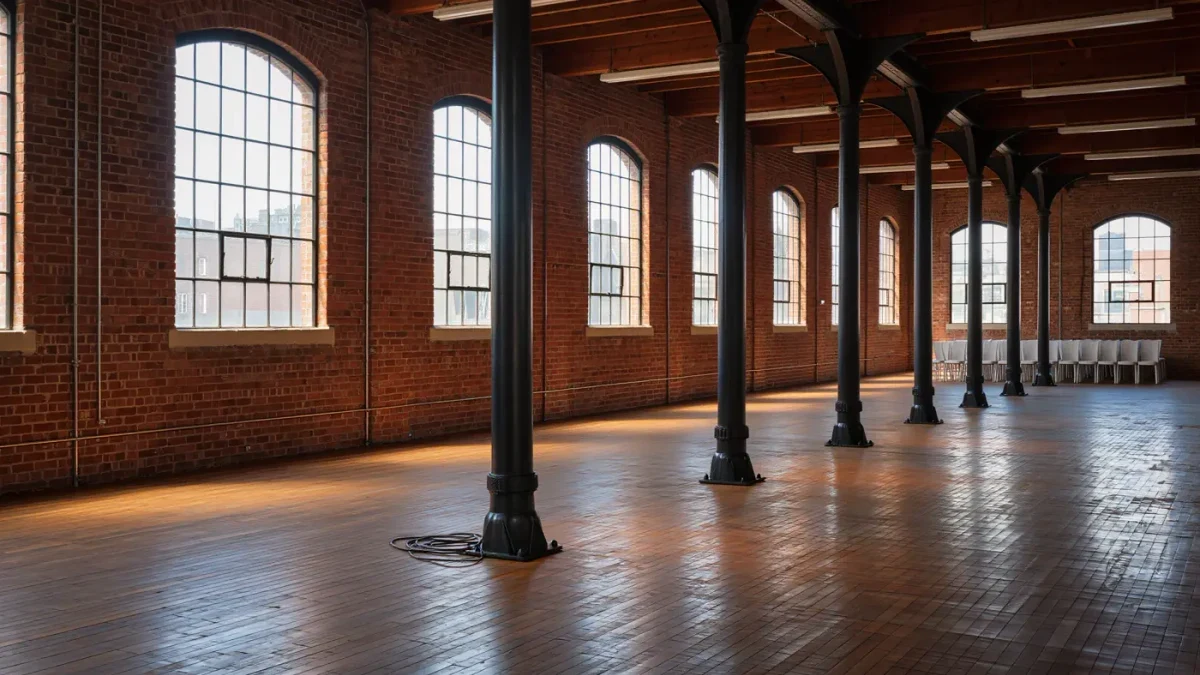
Cheaper rents, bigger rooms, better light, and a credibility problem solved in one borough line — the case for staging fashion in Williamsburg, Bushwick, and beyond.

The static presentation costs less, photographs better, and lets buyers touch the clothes — the quiet case for the format with no catwalk at all.
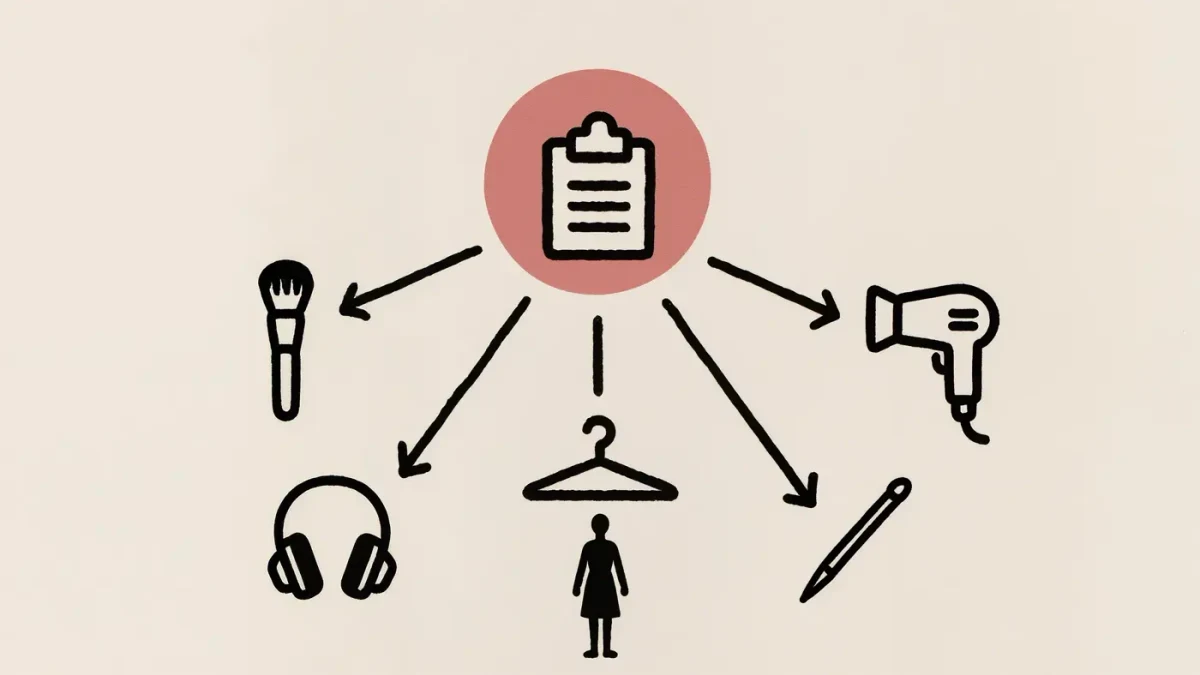
A runway show runs on a hundred-person crew the audience never sees — here is the org chart, from show producer to the dresser holding the safety pins.
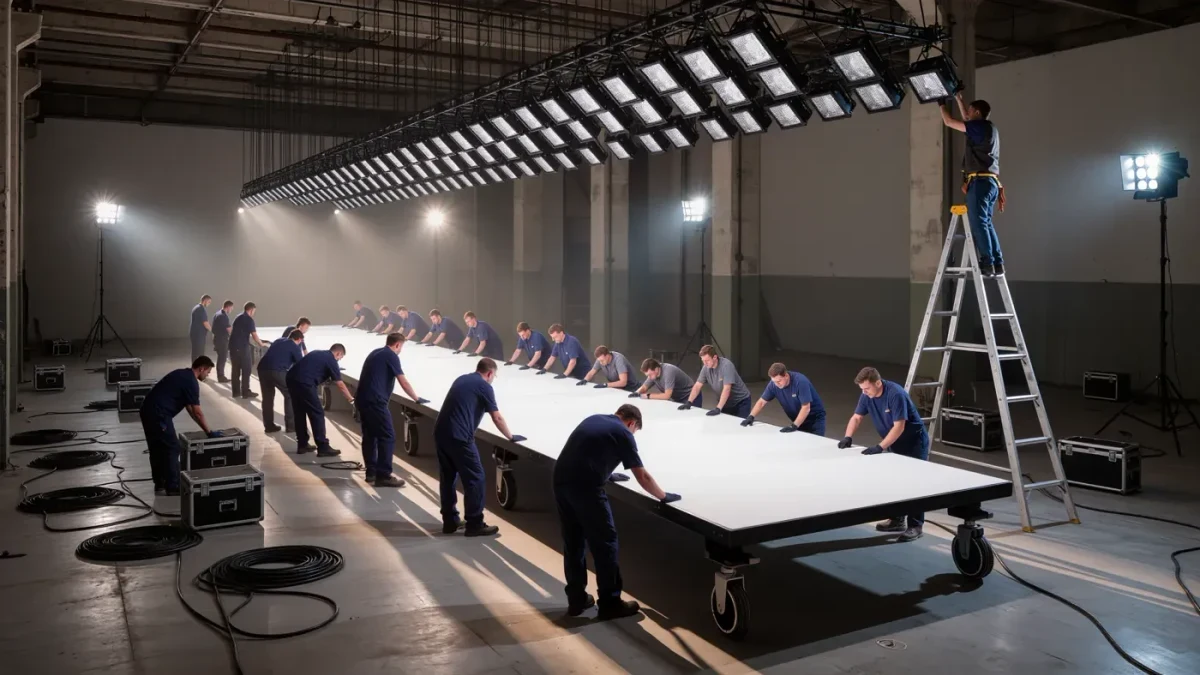
A single fifteen-minute New York runway show can carry a six-figure price tag before a single model walks — here is where the money actually goes.